
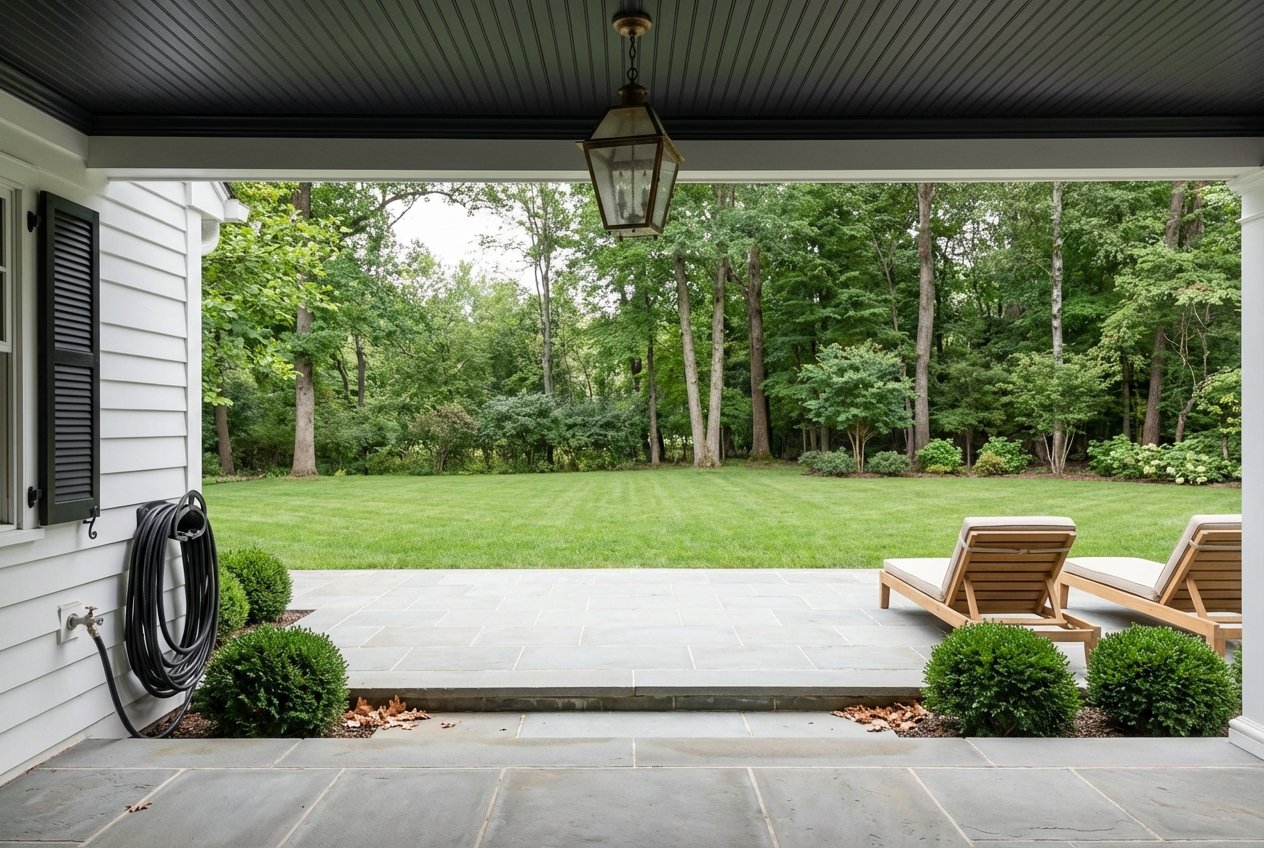
If you picture your next chapter on a quiet lane with tall trees, a long driveway, and room for a pool or court, Weston’s two-acre lifestyle may be exactly what you want. You value privacy and nature, but you also want a friendly, well-organized town where community life still matters. In this guide, you’ll learn how “estate living” works day to day in 06883, what to budget for, where to find trails and programs, and how to decide if Weston is the right fit. Let’s dive in.
What “estate living” means in 06883
Weston is designed for low-density, mostly residential living. The town describes itself as a two-acre-property community that preserves a rural feel and privacy throughout its neighborhoods. That pattern shapes how homes sit on their lots, where amenities can go, and why streets feel quiet. For zoning and parcel-level rules, review the town’s overview and Planning and Zoning resources on the Town of Weston site and the Planning and Zoning department pages.
The setting: land, trails, quiet roads
Devil’s Den and open space
A defining benefit of Weston’s setting is access to large, protected open space. The Lucius Pond Ordway, known as Devil’s Den Preserve, offers roughly 1,700-plus acres and more than 20 miles of trails for year-round hiking and wildlife viewing. Many Weston properties sit near woodlands and preserves, so outdoor time feels like an extension of your backyard. Explore trail guidance and maps on The Nature Conservancy’s Devil’s Den page.
Lachat Town Farm rhythms
Community life in a low-commercial town centers on local programs and seasonal events. Lachat Town Farm, a 42-acre working and educational farm, hosts markets, classes, and family-friendly gatherings that set the weekly rhythm for many residents. It is an easy way to meet neighbors and enjoy simple, local traditions. See current programming on the Lachat Town Farm site.
Daily convenience and commute
Weston maintains a small Town Center with essential services and a few eateries, prioritizing residential roads and limited through traffic. You trade some retail convenience for quiet streets and space. Weston does not have its own commuter rail station, so residents typically drive to nearby stations and use the Merritt Parkway. Review the town’s profile and services on the About Weston page to set expectations.
What to expect as a homeowner
Wells and septic: a simple checklist
Many properties rely on private wells and on-site septic systems. The EPA’s SepticSmart guidance recommends inspections every 1 to 3 years and pumping about every 3 to 5 years, depending on tank size and usage. During due diligence, request well test results, septic inspection and pump records, and information on system age and type. For responsibilities and maintenance best practices, see EPA SepticSmart and state well guidance summarized by the Connecticut legislature’s resources on private well oversight.
Before you buy, collect:
- Septic tank age and last pump date
- Any percolation or site evaluations
- Notes on alternative or pressure systems and service contracts
- Well water test results and well yield information
Grounds, trees, and storm prep
Large, wooded lots look beautiful but require regular care. Budget for pruning and, at times, hazard removals. Industry snapshots show single-tree removals can range from a few hundred to several thousand dollars depending on size and complexity, so periodic arborist work is a realistic line item. For a general sense of ranges, review this national overview of tree removal costs. Also plan for driveway upkeep, culvert and drainage maintenance, and reliable snow removal. Many owners arrange seasonal plowing contracts to keep long driveways accessible.
Pools, courts, and accessory spaces
Two-acre lots make room for pools, tennis, or pickleball courts. Ongoing operating costs vary by size and service level, but national guides often place routine pool maintenance around $1,000 to $3,000 per year before utilities and repairs. For context, see this overview of pool maintenance costs. Placement and scale depend on permits, setbacks, and coverage limits, so confirm plans with Weston Planning and Zoning before you commit.
Taxes, insurance, and budgeting
Property taxes are a meaningful part of annual carrying costs. Recent budgets placed the mill rate in the mid-20s range (for example, FY25 near 23.9 mills), but rates can change year to year. Always verify the current figure with town offices and the municipal snapshot on the Connecticut Conference of Municipalities hub. Your insurance and storm exposure may also vary with home size, age of systems, and tree cover, so request quotes early and plan for reserves.
Community life and schools
Weston is a small town of roughly ten thousand residents with an active civic calendar. The Weston Public Schools campus sits at the social center for many households, with events, athletics, and volunteer opportunities bringing neighbors together throughout the year. Review district programs and calendars on the Weston Public Schools site. You will also find steady cultural and seasonal programming through groups like Lachat Town Farm, the library, and the historical society.
Is Weston a fit? Quick self-check
Use these points to self-select before you tour:
- Privacy vs proximity: If you want a walkable, shop-rich neighborhood, Weston’s low-density model may feel quiet. If you prize acreage and woods, the two-acre pattern fits. Learn more on the Town of Weston overview.
- Budget tolerance: Expect higher purchase prices and ongoing costs such as landscape and tree care, well and septic maintenance, possible pool or court service, insurance, and property taxes. Check current mill-rate context on the CCM municipal profile.
- Systems comfort: Are you comfortable managing private well and septic systems and arranging seasonal services? If so, estate ownership can be straightforward with a good contractor plan. For maintenance basics, see EPA SepticSmart.
- Community fit: If you enjoy a school- and volunteer-oriented calendar, Weston’s civic life supports that with frequent programs and events. Explore schedules via Weston Public Schools and Lachat Town Farm.
Next steps
If the two-acre lifestyle speaks to you, the right guidance will make your search efficient and rewarding. You want clear zoning insight, practical due diligence on wells and septic, and a plan to evaluate drive times and seasonal upkeep alongside design and amenities. For private, concierge-level representation and local expertise across Fairfield County, reach out to Karen Cross to discuss your goals and start touring.
FAQs
What does two-acre zoning mean for my property plans in Weston?
- Most neighborhoods follow a two-acre pattern that influences setbacks, coverage, and placement for amenities like pools and courts. Verify parcel rules and permits with Weston Planning and Zoning before you design.
How do commutes work without a Weston train station?
- Residents typically drive to nearby rail stations and use the Merritt Parkway for regional travel. Review local context and services on the town’s About Weston page to align expectations.
What inspections are essential for homes with wells and septic systems?
- Ask for recent well test results, septic inspection and pump records, and system age and type. The EPA outlines routine schedules in SepticSmart guidance, and the state summarizes private well responsibilities.
Where can I confirm current property taxes and permitting steps?
- Check the latest mill-rate context on the CCM municipal profile for Weston and contact town departments listed under Planning and Zoning for permits and procedures.
What local recreation and open space stand out near 06883?
- Devil’s Den Preserve offers 1,700-plus acres and 20-plus miles of trails, and Lachat Town Farm hosts regular markets and programs. Learn more at Devil’s Den and Lachat Town Farm.