
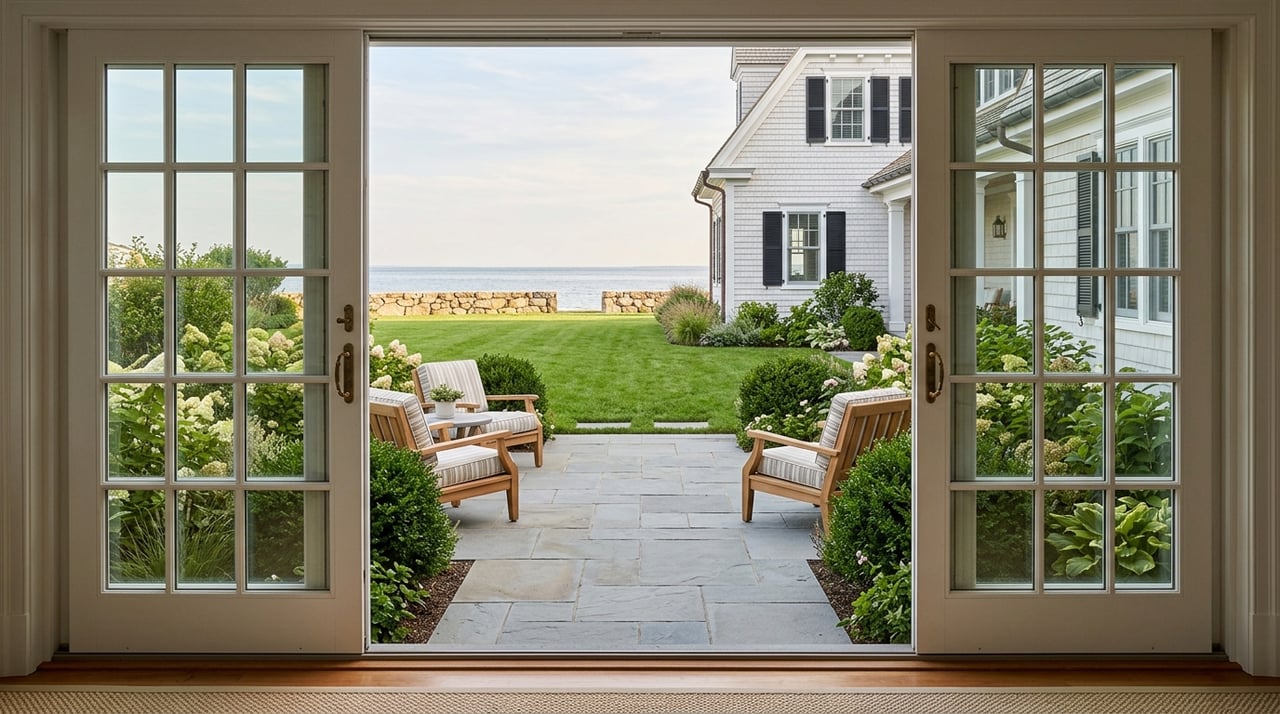
Selling a waterfront home in Southport is not the same as marketing any other coastal property. Buyers are not just looking for water views. They are looking for a complete lifestyle, a sense of place, and clear answers about what makes the home and location worth the price. If you want to attract serious buyers, especially those coming from outside the area, your marketing has to tell that full story. Let’s dive in.
Lead With Southport’s Story
A Southport waterfront home should be marketed as part of a preserved coastal village, not simply as a house near the water. The Southport Historic District is listed on the National Register of Historic Places, and that matters because buyers often respond to context as much as the property itself.
Your marketing should connect the home to what makes Southport distinct. Local materials describe Southport Village as a place shaped by historic architecture, harbor views, shopping, dining, arts, and culture. That kind of positioning creates a stronger emotional pull than generic waterfront language.
Show More Than the Water
Waterfront buyers want to know what daily life actually feels like. Instead of saying a property offers a “coastal lifestyle,” explain how the home connects to the harbor, village streets, and nearby amenities.
The Southport Village story is especially useful here. It highlights the village’s borough history, its harbor roots, and its long connection to New York City. That gives you a richer and more grounded way to present the home.
Respect Historic Character
When a home is in or near a historically meaningful area, the marketing should reflect that tone. Southport has a strong preservation culture, and groups like Sasquanaug emphasize the village’s distinct harbor identity and largely preserved 19th-century setting.
That means copy and visuals should feel curated and accurate. Avoid overhyping modern upgrades at the expense of architectural character. Buyers drawn to Southport often appreciate homes that feel connected to the setting.
Build a Strong Digital First Impression
Most buyers begin their search online, and many find the home they purchase on the internet. According to the National Association of Realtors 2025 buyer trends report, 43% of buyers first looked online for properties and 51% found the home they bought on the internet.
That matters because your listing usually has a short window to stand out. Buyers typically searched for 10 weeks and viewed a median of seven homes, so your marketing needs to make an immediate, clear impression.
Prioritize the Features Buyers Use Most
The same NAR report shows which listing features buyers found most useful. For waterfront homes in Southport, these should shape the entire marketing package:
- Photos
- Detailed property information
- Floor plans
- Virtual tours
- Videos
- Neighborhood and location context
This is why luxury waterfront marketing should never rely on a few attractive images and a short description. Buyers want enough detail to decide whether a private showing is worth their time.
Use Photography and Video Strategically
For a Southport waterfront listing, visuals should do more than make the home look attractive. They should answer questions, create emotional connection, and highlight the relationship between the home, the harbor, and the village.
Exterior photography should show siting, water orientation, outdoor living areas, and how the property feels in its setting. Interior photography should focus on natural light, key gathering spaces, and any rooms that frame views or support entertaining.
Stage the Right Rooms
Staging has a measurable impact on how buyers experience a home. In the NAR 2025 staging report, 83% of buyers’ agents said staging made it easier for buyers to visualize a property.
That same report found the most important rooms to stage were:
- Living room
- Primary bedroom
- Kitchen
For many Southport waterfront homes, these are also the rooms where lifestyle is sold. Clean lines, light editing, and thoughtful furniture placement can help buyers picture how the home lives day to day.
Include Video and Virtual Tours
Photos remain essential, but they should not stand alone. NAR’s research also shows buyers value videos and virtual tours, which is especially important when you are targeting commuter, relocation, or second-home buyers who may not visit immediately.
A strong video tour can show flow, scale, and setting in a way still photos cannot. It can also better communicate the transition from interior rooms to terraces, lawns, docks, or harbor-facing spaces.
Answer the Questions Buyers Already Have
The best waterfront marketing reduces uncertainty before a buyer ever schedules a showing. In Southport, serious buyers often want practical answers along with beautiful presentation.
If that information is missing, buyers may move on or assume the property comes with hidden complications. Clear, early answers help build trust.
Explain Water Access Clearly
Do not assume buyers know what “waterfront” means for a specific property. They want to know whether the home offers views, frontage, access, or a boating lifestyle.
According to the U.S. Army Corps of Engineers, Southport Harbor is used primarily for recreational boating and includes a maintained channel, anchorage, breakwater, and training dike. That makes harbor-related marketing stronger when it explains the real lifestyle value rather than relying on vague waterfront language.
Include Commute Context
Southport appeals to out-of-area and commuter buyers, so location convenience should be part of the message. The MTA Southport station page confirms Southport is on the Metro-North New Haven Line.
That should be presented as factual location context, especially for buyers comparing Southport to other shoreline markets. It helps them understand how the property fits both lifestyle and access needs.
Share Verified Community Information
Some buyers want basic information about local public schools as part of their broader relocation research. When that comes up, stick to neutral facts. The Fairfield Public Schools website currently notes 7 Schools of Distinction, 50+ honors and AP offerings, and a 95.7% graduation rate.
Presenting verified district information can help support relocation buyers without drifting into subjective neighborhood claims. Keep the language factual, concise, and compliant.
Bring Up Flood Risk Early
One of the biggest mistakes in waterfront marketing is waiting too long to address flood insurance and coastal due diligence. Buyers are more comfortable moving forward when they have practical information early in the process.
According to FEMA’s flood insurance guidance, flood insurance is separate from homeowners insurance, some high-risk flood zones with government-backed mortgages require flood insurance, and there is typically a 30-day waiting period. FEMA also notes that flood risk can change over time and that there is no such thing as a no-risk zone.
Make Due Diligence Part of the Package
For a Southport waterfront listing, it helps to package key flood and coastal information upfront. That does not mean overwhelming buyers with technical material. It means giving them a clear starting point so they can ask better questions.
This approach can make a listing feel more transparent and professionally managed. For luxury buyers, that level of preparation often strengthens confidence in both the home and the representation.
Combine Broad Reach With Personal Outreach
Online exposure matters, but it should not be the only strategy. NAR’s buyer research shows that while many buyers start online, 86% also used a real estate agent as an information source.
That is especially relevant for Southport waterfront homes, where the buyer pool may include local move-up buyers, New York City commuters, relocators, and second-home shoppers. A smart plan blends strong digital marketing with selective agent-to-agent outreach and private showings when discretion matters.
Support the Listing With Concierge Prep
High-end waterfront homes benefit from careful pre-listing preparation. That often includes decluttering, cosmetic improvements, staging, and polished marketing assets before the home goes live.
William Raveis describes Raveis Refresh as a pre-listing concierge program that can cover renovations, cosmetic upgrades, staging, design, and related prep with no out-of-pocket expenses. For sellers, that kind of support can make it easier to launch with a stronger presentation.
Reach Out-of-Area Buyers
Brokerage scale also matters when the likely buyer may not already live in Southport. William Raveis notes its office network and specialty resources include 140+ offices, 4,500+ sales associates, and relocation and luxury capabilities.
That kind of reach can help a Southport waterfront home gain exposure beyond the immediate local market. It also supports buyers who may need financing tools like bridge solutions to move forward with less friction.
Position the Home With Precision
The most effective Southport waterfront marketing feels specific, not interchangeable. It should present the home as a unique offering within a village known for its harbor, history, and preserved character.
That means every part of the presentation should work together:
- Listing copy grounded in place
- Photography that shows both property and setting
- Floor plans that clarify layout
- Video that communicates flow and lifestyle
- Verified local context for commuting and community research
- Early guidance on flood insurance and waterfront due diligence
When that strategy is done well, buyers can quickly understand not just what the home is, but why it matters.
If you are preparing to sell a waterfront home in Southport, working with an advisor who understands both the village story and the demands of luxury marketing can make a meaningful difference. To create a tailored strategy for your property, connect with Karen Cross.
FAQs
What makes marketing a Southport waterfront home different?
- Southport waterfront marketing works best when it highlights both the property and the village’s preserved coastal character, harbor setting, and connection to shopping, dining, history, and commuting access.
What listing features do buyers want most for waterfront homes?
- Buyers consistently value professional photos, detailed property information, floor plans, virtual tours, videos, and useful location context when evaluating a listing online.
What should buyers know about Southport Harbor?
- Southport Harbor is used primarily for recreational boating, and the harbor includes a maintained federal navigation project with a channel, anchorage, breakwater, and training dike.
What commute information should a Southport listing include?
- A listing should note that Southport is served by the Metro-North New Haven Line, which helps buyers understand the area’s rail connection and regional access.
What flood insurance information should a Southport waterfront listing provide?
- A strong listing package should explain that flood insurance is separate from homeowners insurance, may be required in some high-risk zones with government-backed mortgages, and often involves a 30-day waiting period.
How can a seller prepare a Southport waterfront home for market?
- The strongest pre-listing plan often includes decluttering, cosmetic improvements, staging, professional photography, video, and a clear floor-plan package so the home launches with a polished first impression.