
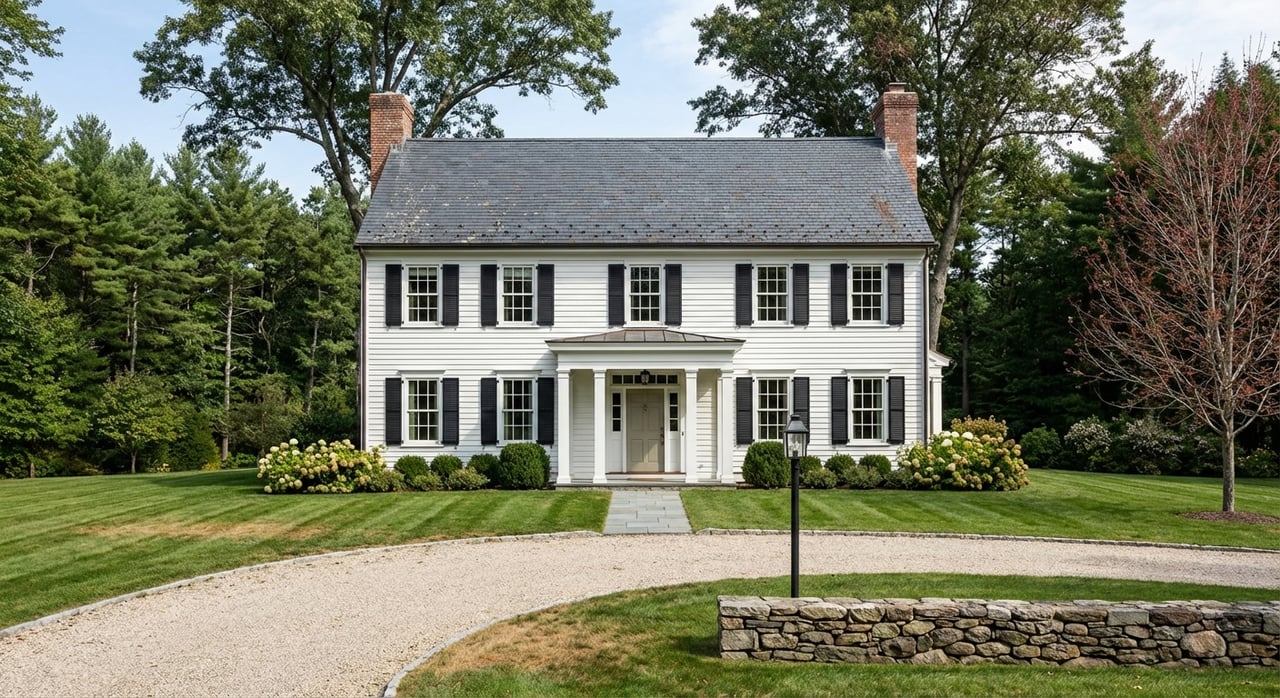
Craving more space, privacy, and a calmer pace without losing access to top amenities nearby? If you are weighing a move-up in Fairfield County, Weston’s 06883 ZIP comes up fast. You will hear about two-acre lots, highly rated schools, and weekend hikes that start minutes from your driveway. In this guide, you will get a clear look at what living in Weston really means, how to budget for it, and a simple checklist to decide if it fits your next chapter. Let’s dive in.
What move-up in Weston looks like
Weston’s hallmark is land. Much of the town is zoned R-2A, which sets a two-acre minimum lot size and defines setbacks, coverage, and frontage. The rulebook shapes the town’s low-density feel and spacious homesites. You can review the Two-Acre Residential & Farming District in the town’s zoning code for the exact standards and definitions in play for any parcel you consider. See the R-2A zoning regulations.
Privacy and land use
Two-acre lots create a sense of retreat. You often have room for a pool, sport court, or gardens, and many properties back to wooded buffers or open space. Actual privacy varies by lot shape, tree cover, and the building envelope, so study the survey and setbacks. If privacy is a priority, focus on topography, mature trees, and how neighboring homes are sited.
Site work and utilities
Larger parcels often come with private wells and septic systems, longer driveways, and more tree and landscape care. Plan for one-time due diligence like soil and perc testing, septic design review, and survey updates, along with ongoing items such as septic pumping, driveway sealing, and tree work. If you want to add or upgrade features near wetlands or watercourses, expect to coordinate with inland-wetlands regulations and permitting early in your planning.
Schools and community life
Weston Public Schools are a major draw for move-up buyers. The district’s four schools — Hurlbutt Elementary, Weston Intermediate, Weston Middle, and Weston High — are consistently rated highly on public review sites. To see a sample of third-party ratings and parent reviews, browse the Weston High School page on GreatSchools.
Day to day, you can expect a community-centered feel, robust AP and college-prep participation at the high school, and active volunteer engagement that supports recreation and library programs. Always confirm current enrollment details and assignment with the district if a specific school timeline matters for your family.
Commute and access
Weston does not have a Metro-North station in town. Most commuters drive to nearby New Haven Line stations such as Westport/Saugatuck or South Norwalk, or to Danbury Branch stops depending on where they live in Weston. Typical Westport-to–Grand Central train times run about 60 to 80 minutes, depending on service. By road, Weston sits about 45 miles from New York City, with actual drive times varying widely by traffic and exact start and end points. You can find a concise town overview on the Town of Weston About page.
Everyday amenities
Weston’s center is intentionally small, with essentials like a local market, the library, and basic services. For broader shopping, dining, beaches, and cultural venues, most residents head to Westport or Norwalk. If daily walkability to a dense downtown is your top priority, you may prefer neighboring towns with larger commercial hubs. If privacy, acreage, and a quieter setting lead your list, Weston stands out.
Outdoor life is a true strength. The Lucius Pond Ordway–Devil’s Den Preserve offers miles of wooded trails for hiking and family outings, protecting a vast slice of the region’s natural character. Explore the trail system and conservation story on The Nature Conservancy’s Devil’s Den page. Closer to home, Lachat Town Farm in Weston anchors a lively slate of community programs, seasonal events, and education. Learn more about its role in town life on the Lachat Town Farm site.
Market snapshot and taxes
Market indices place Weston’s typical home value around 1.30 million dollars as of January 2026, with recent single-family sales often ranging from the high 700s to above 1.5 million dollars depending on location, land, and condition. Inventory is limited and large-lot properties are highly individual, so search timelines can stretch if you have a long must-have list.
For budgeting, know how property taxes work. In Connecticut, Weston assesses real estate at 70 percent of market value. The town lists a mill rate of 23.90 for real estate, personal property, and motor vehicles. Always verify the current fiscal-year rate and request the prior year’s tax bill when you evaluate a specific home. Start with the Weston Assessor’s page for public records and assessment guidelines.
Weston vs nearby options
- Weston (06883): Two-acre zoning, strong public school reputation, significant preserved open space, and a small town center. Best for buyers who value privacy, land, and a quiet setting while using nearby towns for beaches, trains, and broader retail.
- Westport (06880): Coastal amenities, beaches, a full downtown, and multiple Metro-North stations that shorten rail commutes. Lots are often smaller and pricing trends higher on average.
- Wilton, Redding, Easton: A mix of lot sizes and rural character. Wilton has strong schools and a Danbury Branch rail pattern; Redding and Easton skew more rural and can be more affordable than the shoreline markets.
- Fairfield: Larger housing variety, multiple train stations, and more retail options. Lots are typically smaller than Weston but commutes and errands can be more convenient.
Is Weston a fit? Quick self-check
Say yes to most of these, and Weston likely deserves a close look:
- You want roughly two acres or a very private lot, with room for a pool, courts, gardens, or long-term additions.
- You value highly rated public schools and a small-town feel with active community programs.
- You are comfortable driving to a rail station or adding 15 to 30 minutes to your door-to-door commute in exchange for more land.
- You are fine using Westport or Norwalk for expanded dining, shopping, beaches, and cultural events.
Weston may not be the best fit if:
- You need a frequent, short train commute to Manhattan and prefer sub-60-minute rail times from station to Grand Central.
- You want a dense, walkable downtown with shops and restaurants at your doorstep every day.
What to check before you offer
Gather these items early to reduce surprises and speed up negotiations:
- The property card from the town assessor, the current deed, and any recent survey on file. Start with the Assessor’s office page.
- Prior perc and septic test results, septic design or as-builts, and any well reports if the property is on a private well.
- Wetlands maps or buffers affecting the site, plus any existing inland-wetlands permits if improvements are near regulated areas.
- The zoning designation, building envelope, coverage limits, and setbacks for the parcel in the R-2A regulations.
- Driveway location and culvert permits if access changes are planned.
Timeline and budget tips
Two-acre living adds a few unique steps. Soil testing and septic design reviews can take additional weeks, and seasonal conditions like deep frost or prolonged rain can delay perc testing. If your plans touch regulated areas, add time for inland-wetlands board scheduling and review.
Build a realistic budget beyond the purchase price. Include inspections, engineering, and testing fees, potential septic upgrades or replacement, well work if applicable, tree clearing or pruning, driveway work, and higher ongoing landscape care. A little extra planning here protects your timeline and your cash flow.
When to bring in a local expert
Consider engaging an experienced agent early if any of the following apply:
- You want a buildable 2-plus-acre lot for a pool, barn, or future accessory space and need clarity on surveys, prior percs, and wetlands constraints.
- You are evaluating a renovation or expansion and want realistic cost ranges tied to site work like grading, driveway extensions, or ledge removal.
- You need help understanding public school assignment details, transfer rules, or local private options to support a smooth transition.
With a move-up purchase, aligning the buy and sell sides matters. If you are juggling timelines, discuss strategies like bridge solutions and a turnkey prep plan for your current home to keep your move efficient and low stress.
Ready to explore Weston?
If two-acre living, a quieter setting, and strong schools match your goals, Weston is worth a serious look. Use the checklists above to focus your search, confirm taxes and zoning early, and plan for the site details that come with acreage. When you want a clear path from first tour to keys in hand, connect with Karen Cross for a concise plan and tailored guidance.
FAQs
How private is two-acre zoning in Weston?
- Lot shape, topography, and tree cover determine privacy as much as acreage. Review the survey, building envelope, and setbacks to understand sightlines before you buy.
Where will I shop and dine if I live in 06883?
- Weston center covers the basics, while residents typically drive 10 to 20 minutes to Westport or Norwalk for larger groceries, restaurants, beaches, and cultural venues.
What are typical Weston commutes to NYC?
- Most residents drive to Westport or South Norwalk stations; train times to Grand Central often run 60 to 80 minutes, with total door-to-door time depending on where you live in Weston.
How much are property taxes in Weston?
- Properties are assessed at 70 percent of market value with a listed mill rate of 23.90; verify the current fiscal-year rate and ask for the prior year’s tax bill when evaluating a home.
How competitive is the 06883 market for 2-plus-acre homes?
- Inventory is limited and each large-lot property is unique, so searches can take several months. Be ready to act when a site matches your must-haves.
Which public schools serve Weston residents?
- The district includes Hurlbutt Elementary, Weston Intermediate, Weston Middle, and Weston High. Always confirm current assignment and enrollment details with the school district.